Harmony between human craftsmanship and natural beauty
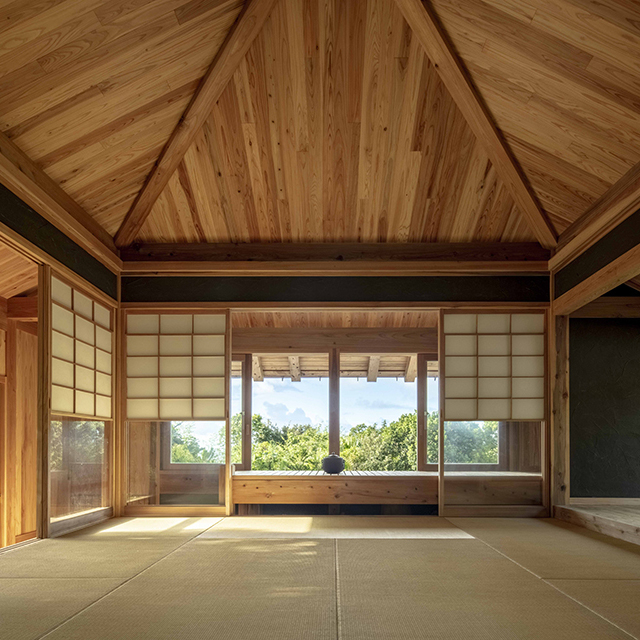
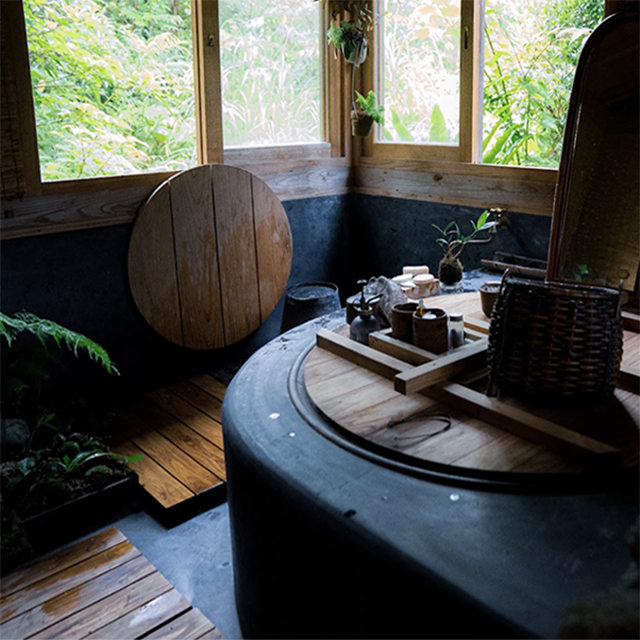
Nestled in the serene landscapes of Yakushima, Japan, this masterpiece of traditional Zen architecture embodies the perfect harmony between human craftsmanship and natural beauty. Designed with meticulous attention to detail, the structure reflects the timeless principles of Zen—simplicity, mindfulness, and a deep reverence for the environment. This project highlights the extraordinary skill of Japanese artisans. Every beam, joint, and surface has been crafted using centuries-old techniques, seamlessly blending with the surrounding “Heavenly Garden” of lush forests, flowing streams, and tranquil moss-covered paths. This architectural gem serves not only as a residential space but also as a sanctuary for contemplation and connection with nature. It stands as a testament to the enduring legacy of Japanese carpentry, inviting visitors, media, and tourists to experience the profound beauty of Zen philosophy. Every carefully placed stone and thoughtfully designed space tells a story of tradition and tranquility.
Aesthetics, bio-science and trasformative lifestyle
Dario Calvaruso’s Bio Functional Design represents a harmonious fusion of aesthetics and functionality. This approach transforms each structural element into a living, breathing system that nurtures both inhabitants and environment.
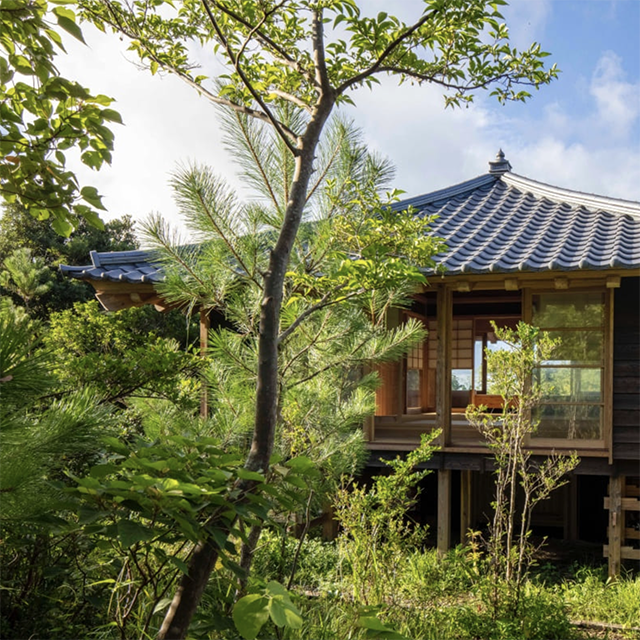
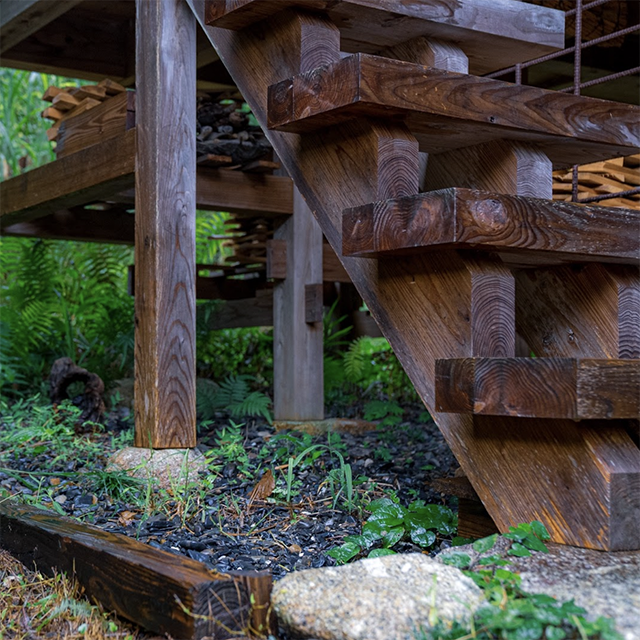
The elegant roofor karahafu (唐破風) does more than please the eye – its graceful curves create natural climate control, guiding wind and sunlight with perfect precision. Beneath this protective canopy, the “ishibatate” (石場建て) foundation system forms a symbiotic relationship with the earth, its stone pillars allowing natural drainage while providing exceptional earthquake resistance.
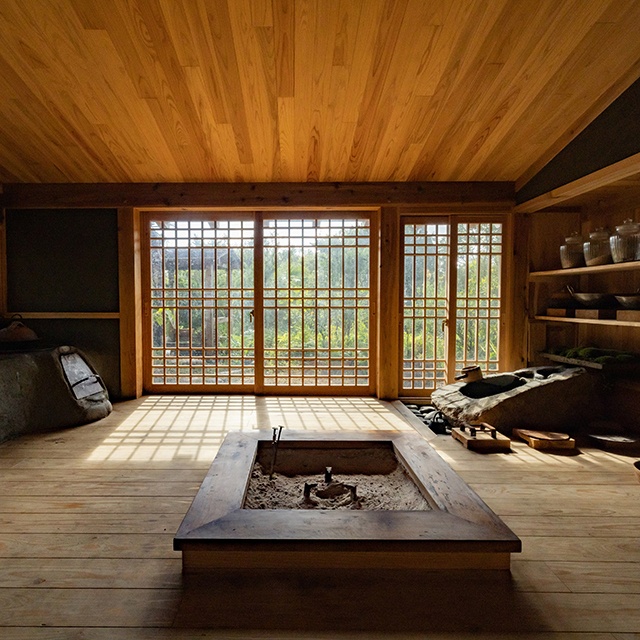
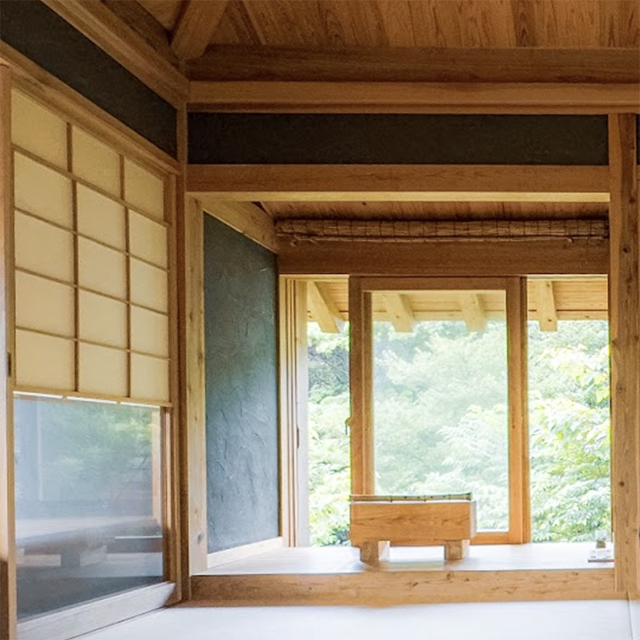
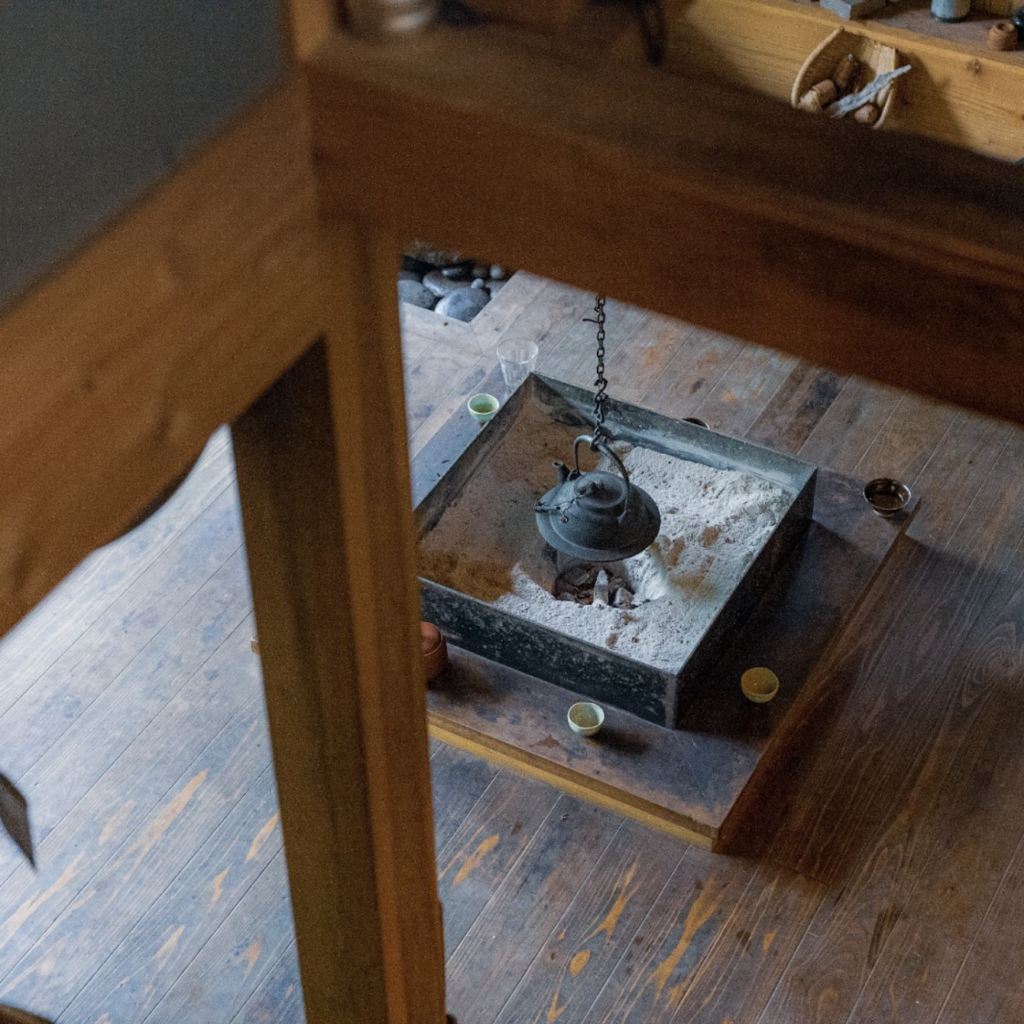
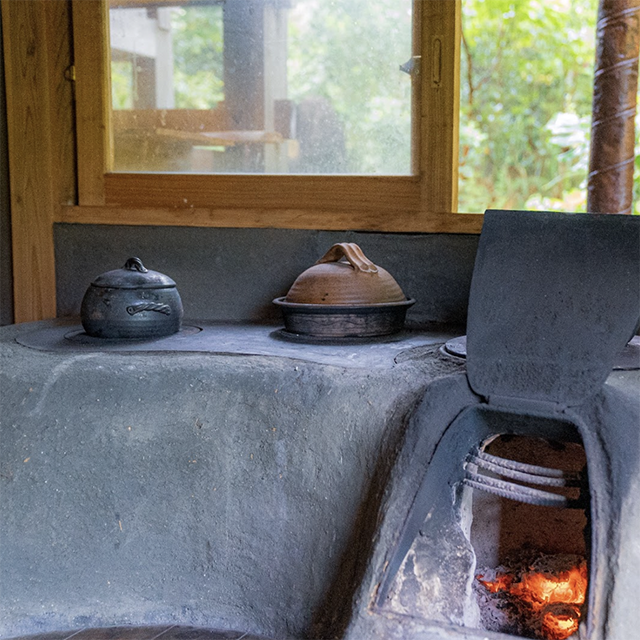
Inside these spaces, tatami (畳) work tirelessly as nature’s air purifiers, their igusa-grass (藺草) fibres releasing beneficial compounds while regulating humidity. The shōji screens (障子) serve as intelligent light diffusers, filtering daylight to maintain our body’s natural rhythms while creating serene, private spaces. Even the irori hearth (囲炉裏) transcends its traditional role – its gentle warmth protects the wooden structure while fostering human connection.
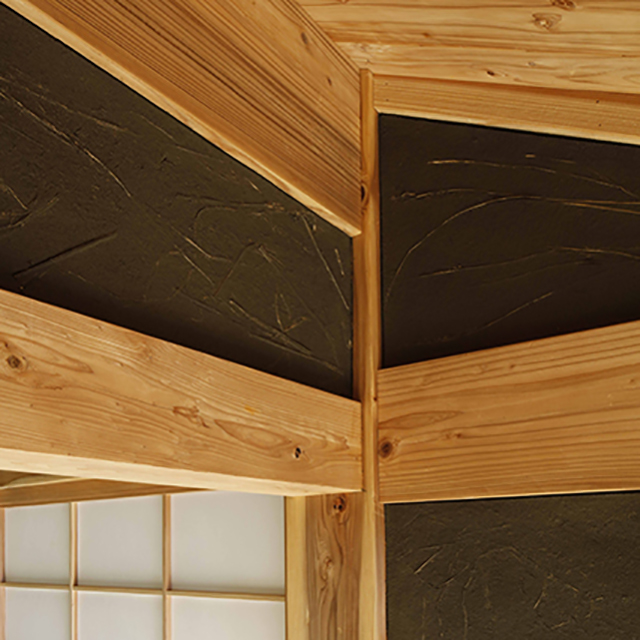
The design is as living poetry, where every timber (板倉) and joint (仕口)connection serves multiple purposes. The buildings become organic extensions of their environment, blending ancient wisdom with contemporary understanding of healthy living spaces. It’s not merely construction – it’s the art of creating environments that actively care for those who inhabit them.